Injury recovery.
Peptide-based healing protocols have become the go-to approach for athletes and individuals recovering from musculoskeletal injuries. BPC-157 and TB-500 form the backbone of most healing stacks.
The Injury Recovery stack.
A balanced protocol engineered for injury recovery via targeted peptide synergy.
5 peptides, precisely sequenced.
Each peptide plays a specific role. Removing any one breaks the synergy.
BPC-157
Promotes angiogenesis, collagen deposition, and modulates growth factors for accelerated healing. Acts on multiple repair pathways simultaneously including tendon, ligament, muscle
TB-500
Upregulates actin for cell migration and wound healing. Reduces inflammation, encourages new blood vessel growth, and supports stem cell maturation for tissue repair.
KPV
Alpha-MSH fragment that potently suppresses NF-κB inflammatory signaling. Reduces pro-inflammatory cytokines and promotes mucosal healing.
SS-31
Mitochondrial protection. Selectively concentrates in the inner mitochondrial membrane where it stabilizes cardiolipin for efficient electron transport chain function.
GHK-Cu
Copper delivery for collagen/elastin synthesis. Activates tissue remodeling, attracts immune cells to injury sites. Levels decline significantly with age.
Customize this protocol
Open this protocol in the Cycle Planner to adjust duration, swap peptides, and generate your reference dosing chart.
Based on published trial data.
Frequently asked questions.
What is the best peptide for healing injuries?
BPC-157 is the most researched healing peptide with 35+ studies showing benefits for tendons, ligaments, muscles, and gut. Combining with TB-500 creates a synergistic healing stack.
How long should I use healing peptides?
Typical healing protocols run 4-12 weeks depending on injury severity. Acute injuries may resolve in 4-6 weeks. Chronic tendon issues may require 8-12 weeks.
§ About the Author
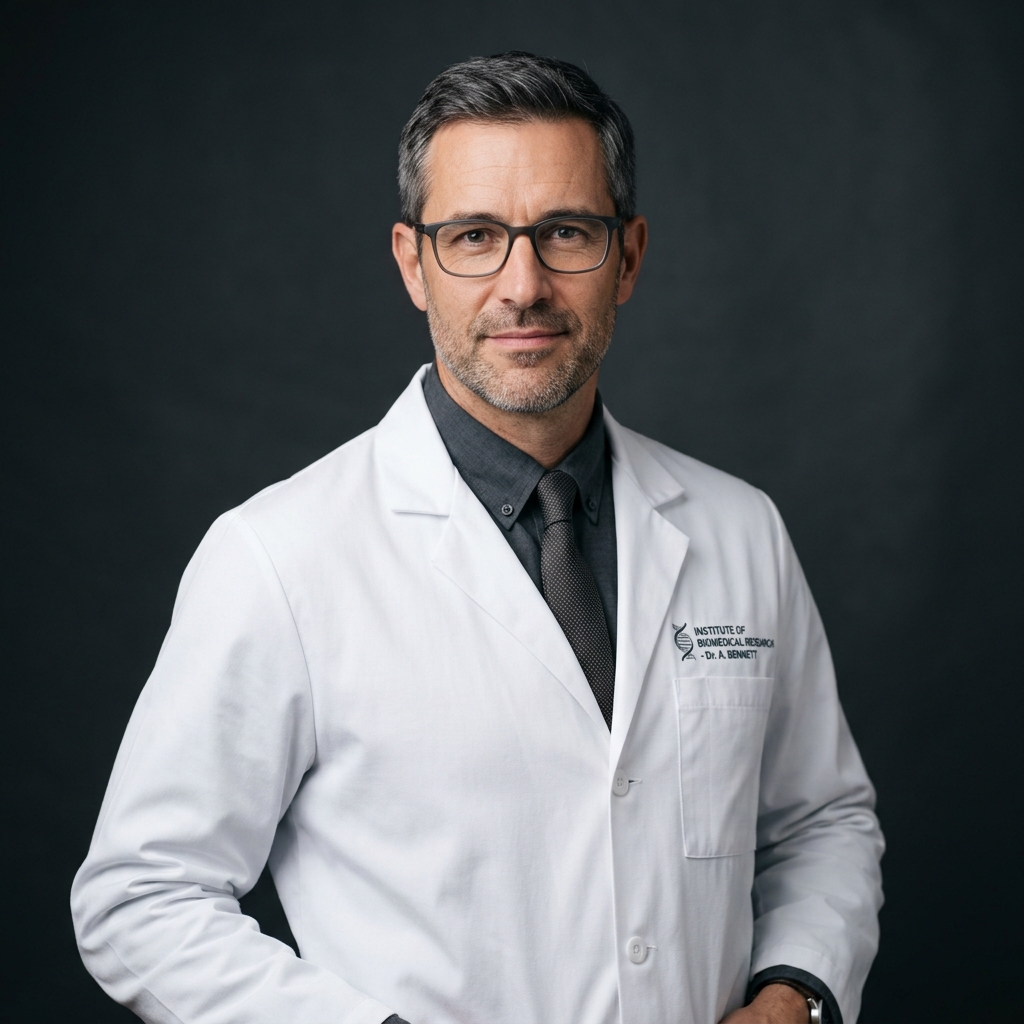
Dr. E. Vance
Editorial Director, PeptiDex
Dr. E. Vance is the Editorial Director at PeptiDex and leads the platform's editorial division, ensuring that every published research summary meets rigorous preclinical citation standards. With a Ph.D. in Molecular Pharmacology from Columbia Univers...
View Full Profile